
Advertisements
Few things melt you quite like a sleeping newborn. That tiny chest rising and falling, those little fists curled up by their face, it’s the good stuff. But if you’re a new parent, you also know the other side: lying awake at 2 a.m. wondering if they’re warm enough, safe enough, comfortable enough. A good sleep sack quietly answers a lot of those worries.
Here’s why they matter so much. Loose blankets in a crib raise the risk of sleep-related suffocation by up to 16 times, which is exactly why pediatricians recommend a wearable blanket instead (HealthyChildren.org (AAP), 2025). Below are 7 soft, snuggly sleep sack ideas to keep your little one cozy and safe. Let’s get into them.
Key Takeaways
- The AAP prefers a wearable blanket or sleep sack over loose blankets, since soft bedding raises suffocation risk up to 16x (HealthyChildren.org, 2025).
- Match the sleep sack’s TOG rating to your room temperature so your baby stays warm without overheating.
- Skip weighted swaddles and sleep sacks entirely, and stop swaddling the arms once your baby shows any sign of rolling.
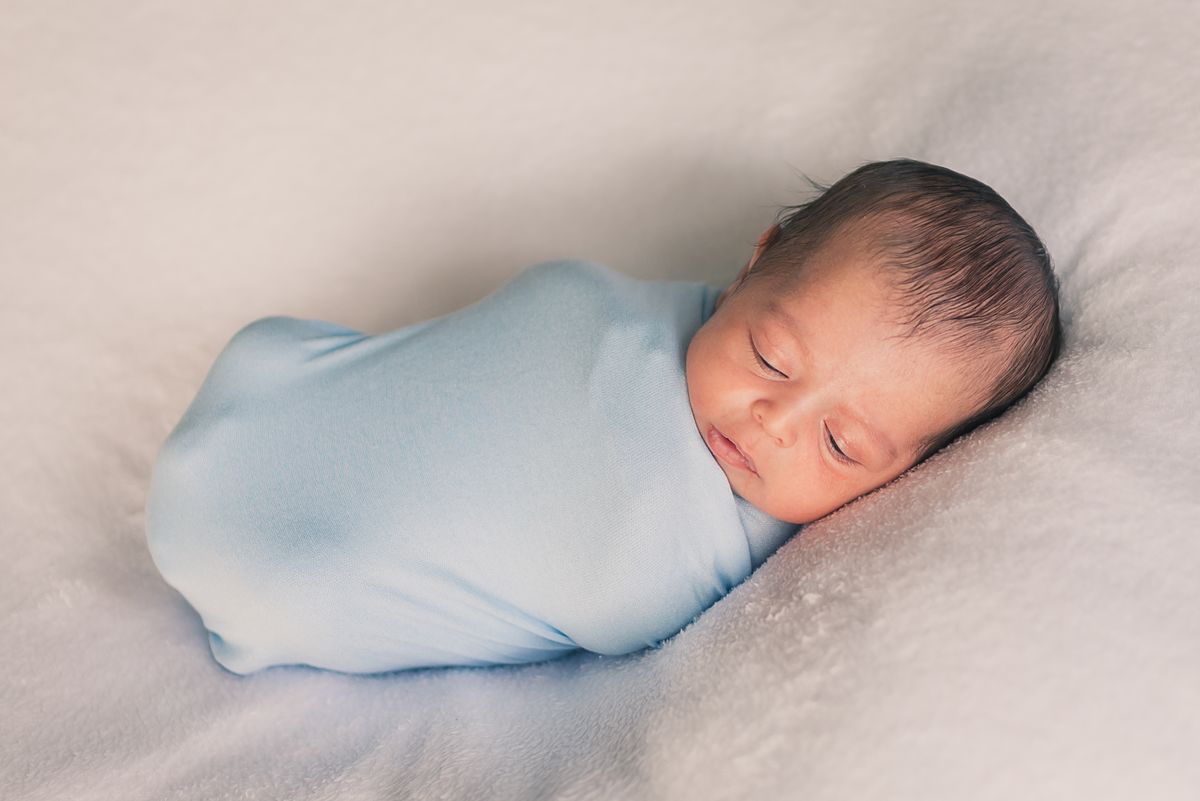
Why choose a sleep sack over a blanket?
Because safety comes first, and the data is clear. About 3,500 babies die of sleep-related causes in the U.S. every year, and loose bedding is a leading factor (CDC, 2025). A sleep sack gives your baby the warmth of a blanket with none of the risk, because it can’t slip up over their face or bunch around them.
They’re practical, too. No more sneaking back in to re-tuck a kicked-off blanket. Your baby stays covered all night, and you get a little more sleep. Isn’t that the dream right now?
1. The cozy swaddle-style sleep sack
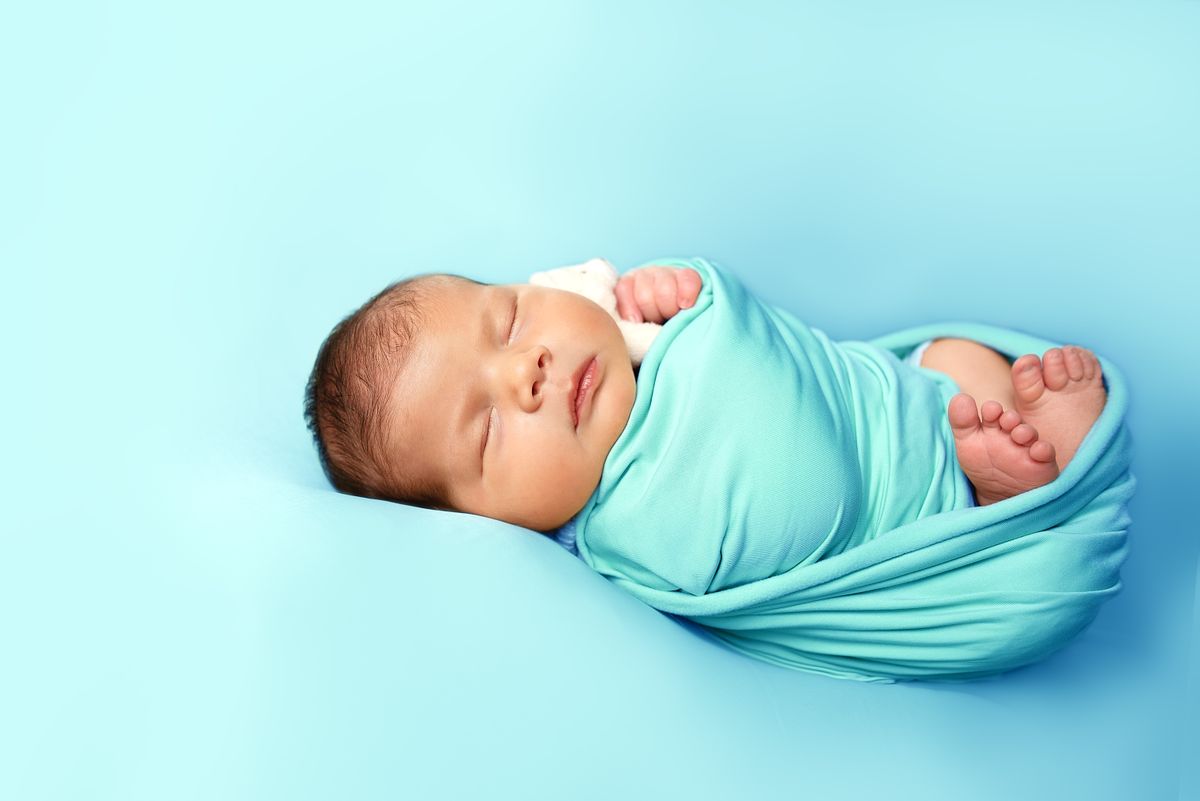
For the earliest weeks, a swaddle-style sleep sack is pure magic. It wraps your newborn’s arms snugly against their body, which calms that startle reflex that keeps waking them up. Look for ones with Velcro or zip wings, so much easier than an origami blanket wrap at 3 a.m.
One firm rule, though: the moment your baby shows any sign of rolling, stop swaddling the arms. Switch to an arms-out style immediately. Safety over snuggles, always.
2. The breathable organic cotton sack
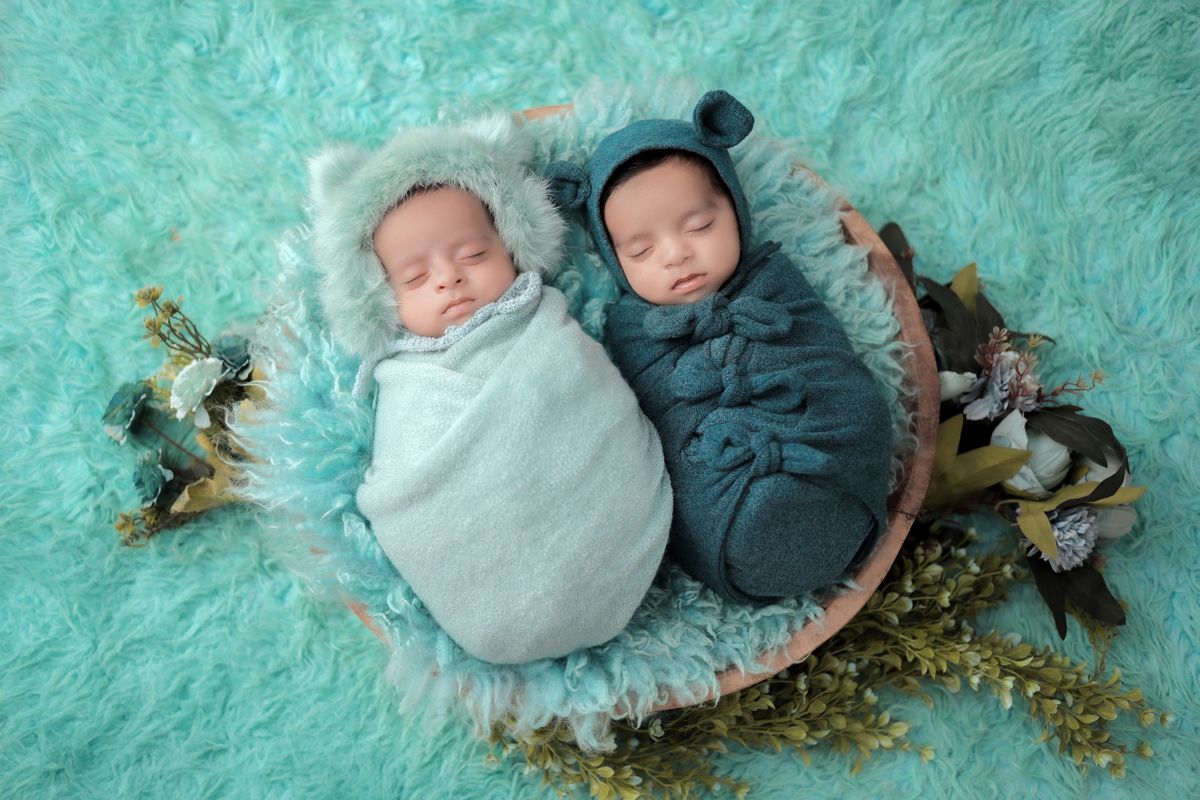
A newborn’s skin is delicate, so the fabric touching it matters. An organic cotton sleep sack is soft, breathable, and free of the harsh chemicals found in some treated textiles. It’s the everyday workhorse you’ll reach for again and again.
Cotton also breathes well, which helps prevent overheating, a real concern for little ones. Choose a lower TOG rating for this one and use it year-round. Gentle, simple, reliable. What more could you want?
3. The two-way zipper sack
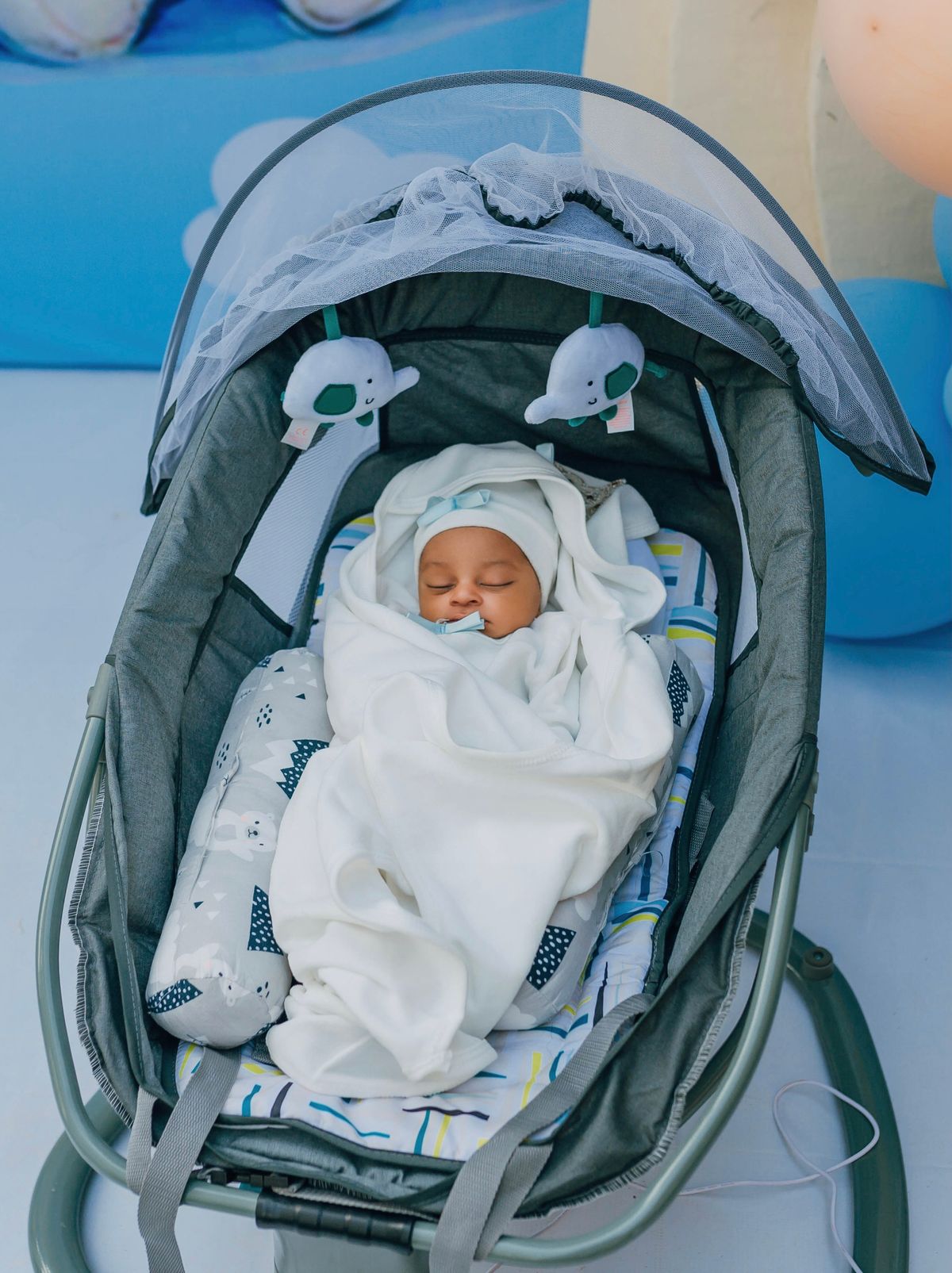
Let’s talk about 2 a.m. diaper changes, because you’ll be doing plenty. A sleep sack with a two-way zipper, one that opens from the bottom, lets you change your baby without unwrapping them completely or exposing their chest to cold air. It’s a tiny feature that feels huge at night.
Look for a zipper with a chin guard at the top, too, so it never scratches that soft little neck. Convenience and comfort, working together. Your future sleepy self will thank you.
4. The transitional arms-out sack
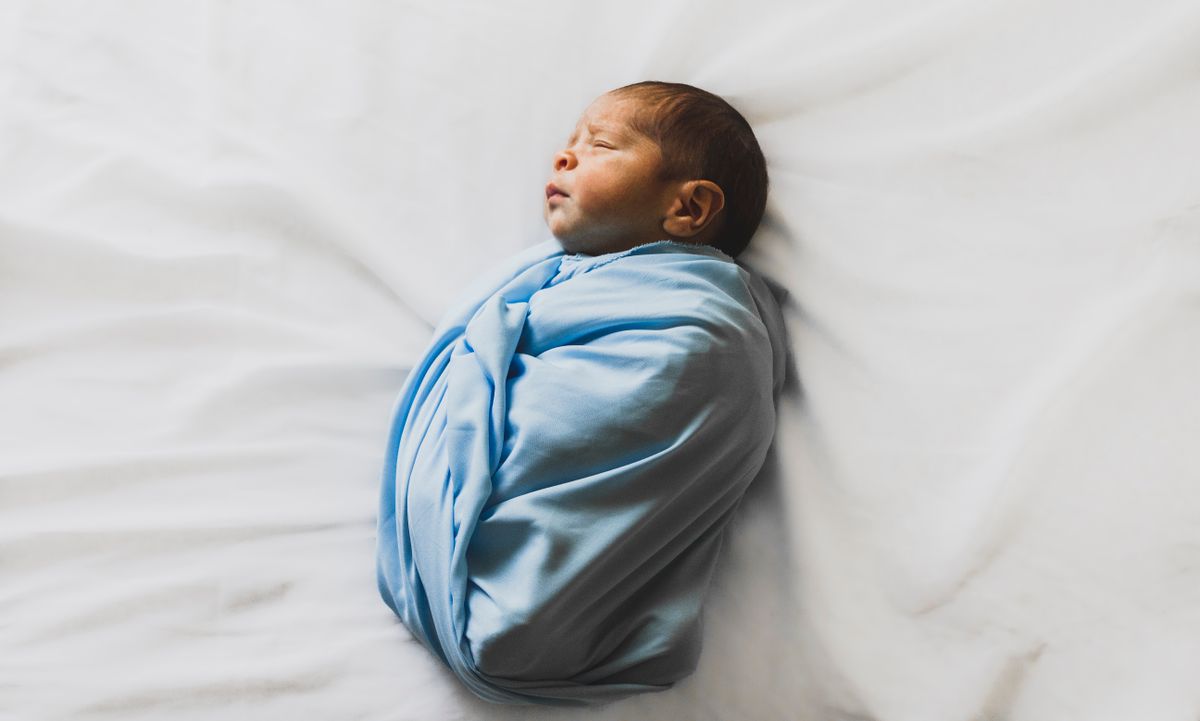
Once your baby starts rolling, usually around three to four months, it’s time for an arms-out sleep sack. This style keeps their body warm while freeing their arms, so they can push up and reposition safely. It’s the natural next step after swaddling.
Consumer Reports and pediatricians agree: swaddling must end before a baby can roll to reduce suffocation risk (Consumer Reports, 2025). A roomy arms-out sack makes that transition smooth. Give it a try around the first roll.
5. The lightweight muslin sack
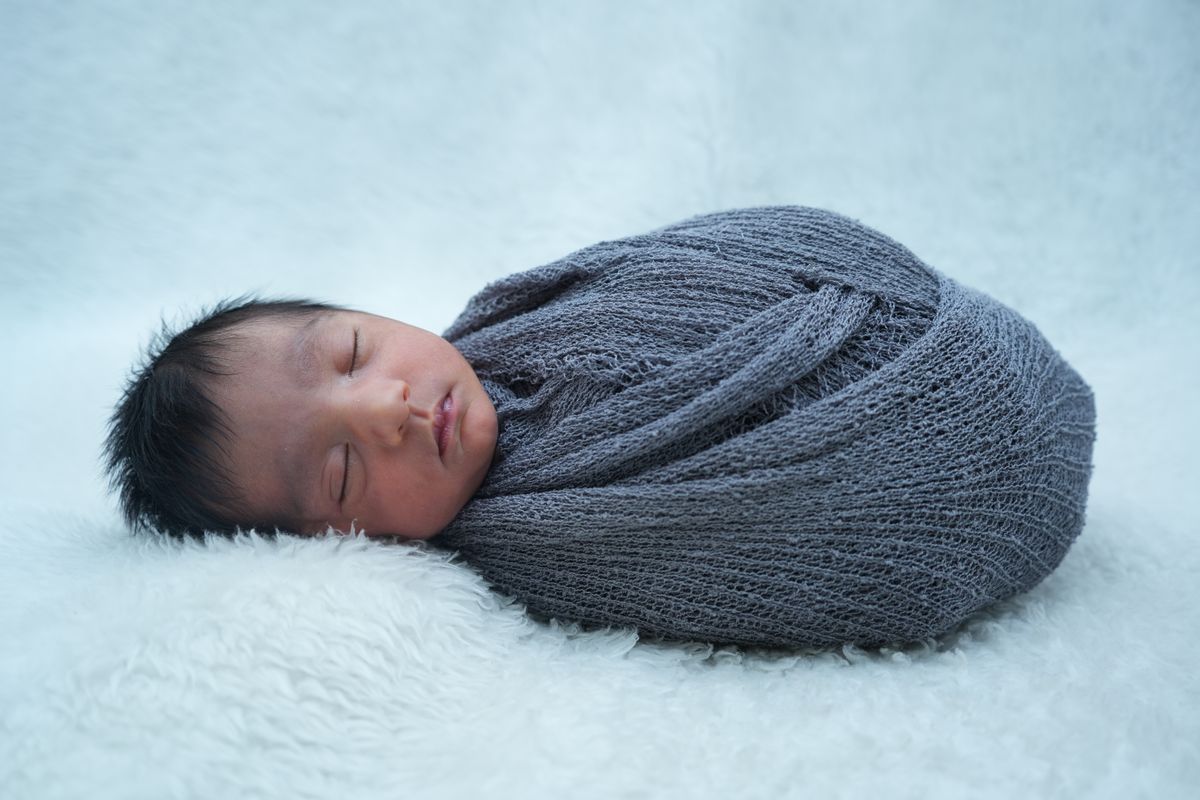
Summer babies and warm nurseries need something airy. A muslin sleep sack, made of that lightweight, gauzy cotton weave, keeps your baby comfortable when it’s hot without any risk of overheating. It’s whisper-thin but still cozy.
Muslin gets softer with every wash, too, which is a lovely bonus. Reach for a very low TOG rating here, around 0.5, for those warmer months. Cool, breathable, and easy on hot little cheeks.
6. The warm quilted winter sack
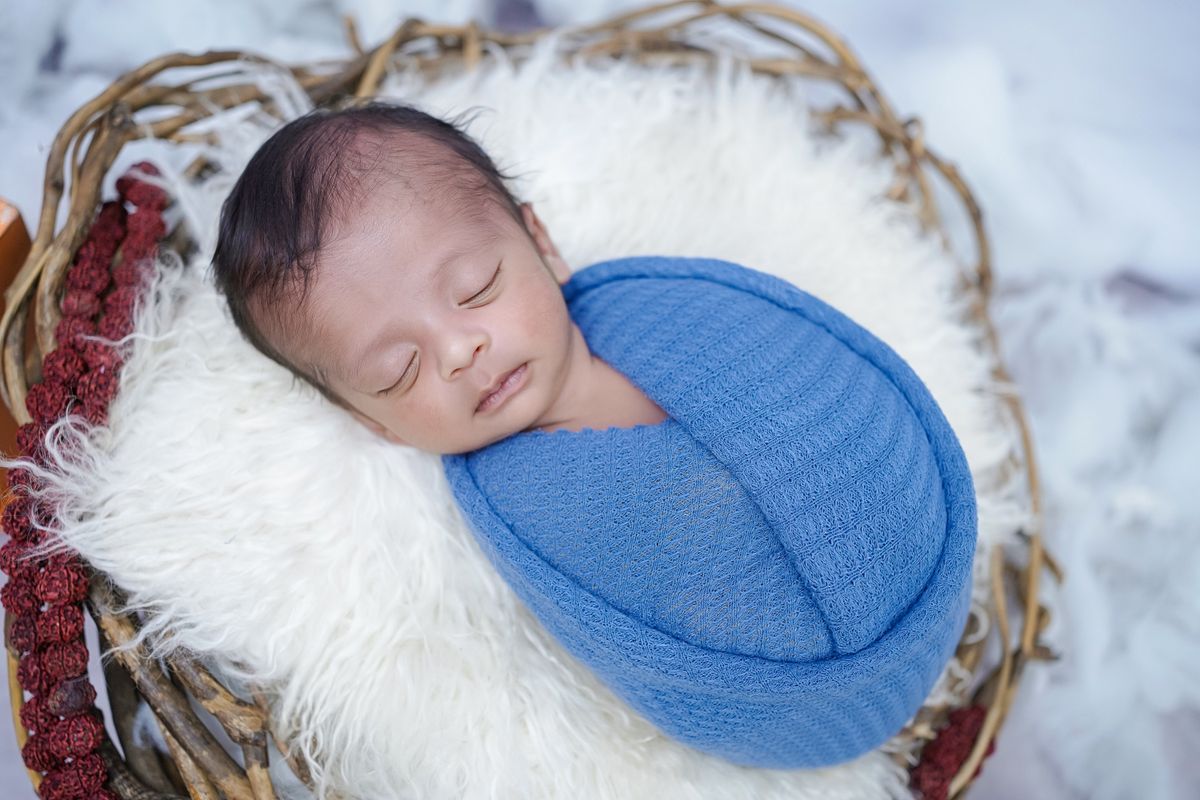
When winter rolls in, a quilted, higher-TOG sleep sack keeps your baby toasty without piling on loose blankets. TOG measures thermal warmth, so a 2.5 TOG sack suits a cool room around 61 to 68°F (Cleveland Clinic, 2025). Match the rating to your room and you’re set.
Dress your baby in a simple layer underneath, then check their chest or the back of their neck, not their hands, to gauge temperature. Warm but not sweaty is the goal. Cozy season, handled.
7. The sleeved sleep sack
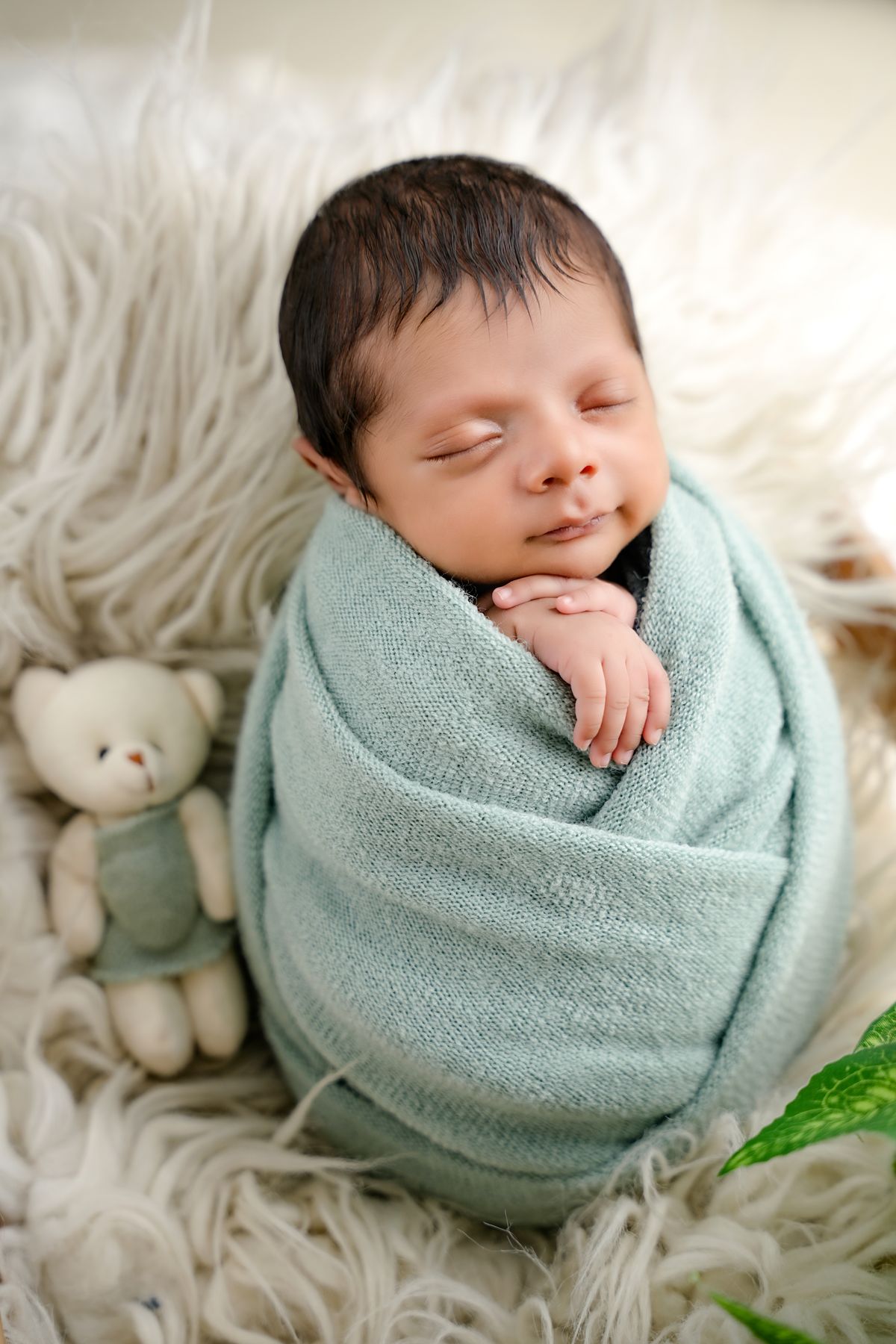
For a chilly room where even arms-out feels too cool, a sleeved sleep sack bridges the gap. The attached sleeves keep your baby’s arms warm while the body stays roomy and safe. It’s a smart pick for drafty winter nurseries or older babies who’ve kicked the swaddle.
Make sure the sleeves fit loosely and the neck isn’t snug. And remember: never add a hat indoors for sleep, since babies release heat through their heads. Warm arms, cool head, happy baby.
How do I use a sleep sack safely?
A few rules keep things simple, and they matter, especially with a new voluntary safety standard for wearable sleep products approved in February 2026 (Consumer Reports, 2025). First, pick the right size: the neck opening should be snug enough that your baby can’t slip down inside, and the sack shouldn’t cover their face.
Second, always place your baby on their back in an empty crib, no pillows, bumpers, or toys. Third, avoid any weighted swaddle or sleep sack, since the added weight can restrict a baby’s breathing. Follow those, and a sleep sack is one of the safest choices you can make.
Frequently asked questions
Are sleep sacks safe for newborns?
Yes, sleep sacks are considered a safe alternative to loose blankets. The AAP prefers a wearable blanket to keep babies warm, since soft bedding raises the risk of sleep-related suffocation up to 16 times (HealthyChildren.org, 2025). Just choose the correct size and TOG.
What TOG rating does my baby need?
It depends on room temperature. A 0.5 TOG suits warm rooms above 74°F, while 2.5 TOG fits cool rooms around 61 to 68°F (Cleveland Clinic, 2025). Check your baby’s chest or neck, not their hands, to confirm they’re comfortable and not overheating.
When should I stop swaddling my baby’s arms?
Stop swaddling the arms the moment your baby shows any sign of rolling, often around two to four months. Rolling while swaddled raises suffocation risk sharply (Consumer Reports, 2025). Switch to an arms-out sleep sack right away to keep sleep safe.
Can a sleep sack cause overheating?
It can if the TOG is too high for the room. Overheating is a known risk factor for SIDS, so match the sack to the temperature and dress your baby in light layers underneath. If their neck feels sweaty, they’re too warm and need a lighter sack.
The takeaway
The right sleep sack does two beautiful things at once: it keeps your newborn snug and it keeps them safe. From a calming swaddle-style wrap in the early weeks to a warm quilted sack for winter, there’s a version for every season and stage. Pick by your room temperature, your baby’s age, and that all-important TOG rating.
Above all, stick to the safe-sleep basics, back sleeping, an empty crib, correct sizing, and no weighted products. Do that, and you can finally exhale a little. Your baby’s comfy, they’re safe, and maybe, just maybe, you’ll both get some rest.
This article is for general information only and isn’t a substitute for advice from your pediatrician. Always follow your child’s doctor and current AAP safe-sleep guidance.